Investment Solutions
by Luxen Finance
by Luxen Finance


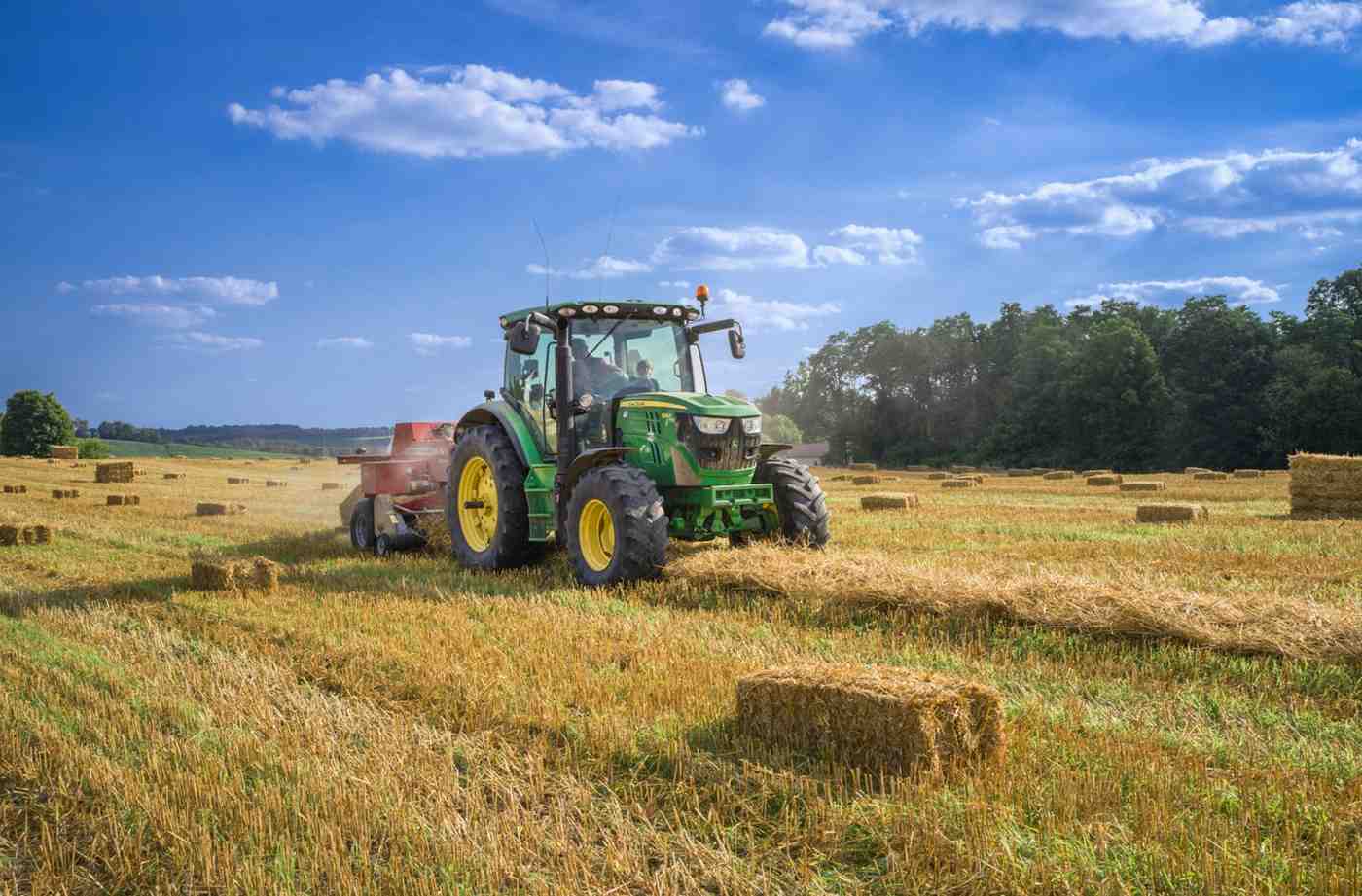
As the global population climbs past 8 billion and diets shift toward higher protein and resource-intensive foods, demand for arable land, grains, livestock, and soft commodities continues to expand while the supply of high-quality farmland remains fundamentally constrained. Agricultural investing gives investors exposure to this dynamic — not by operating farms, but by participating in farmland ownership, agricultural commodity markets, and sustainable farming ventures that benefit from long-term food security trends. At Luxen Finance, we provide structured access to global agriculture as a real-asset class, combining professional research on crop cycles and food markets with disciplined portfolio management, allowing investors to diversify beyond traditional equities and bonds into an asset class with its own distinct supply-demand rhythm.
Agriculture investing is the allocation of capital to farmland, agricultural commodities, and food-production ventures with the goal of generating returns tied to global food and land markets rather than corporate earnings or interest rates. This can take several forms: direct or indirect exposure to farmland acquisition and appreciation, participation in agricultural commodity markets such as grains (wheat, corn, soybeans), livestock, and soft commodities (coffee, cotton, sugar), and capital allocated to sustainable and regenerative farming ventures that improve soil health and long-term yield potential. Unlike a typical business investment, agriculture is underpinned by a physical, finite resource — arable land — and a demand base that is remarkably stable over time, since food consumption does not disappear during economic downturns the way discretionary spending does. At Luxen Finance, we curate access to vetted farmland opportunities and agricultural commodity-linked instruments, backed by research into seasonal cycles, regional yields, and global trade flows.
"Farmland doesn't ask permission from the business cycle — it produces because the world must eat, offering investors a real asset with a demand curve as old as civilization itself."

1. Uncorrelated Real-Asset Exposure: Farmland and agricultural commodities have historically shown low correlation to equities and bonds, making agriculture a genuine portfolio diversifier that can help smooth returns across market cycles.
2. Demand Driven by Population Growth: Global food demand is structurally linked to population growth and rising living standards, giving agriculture a demand base that is far less discretionary than most consumer sectors.
3. Exposure to Tangible, Finite Land: Arable land is a limited physical resource. As global cropland per capita shrinks, well-located and well-managed farmland has the potential to appreciate over the long term.
4. Diversified Commodity Access: Gain exposure across grains, livestock, and soft commodities rather than a single crop or region, spreading risk across multiple agricultural markets and seasonal cycles.
5. Alignment with Sustainable Farming Trends: Access ventures focused on regenerative and sustainable agricultural practices, which aim to improve long-term soil productivity and align investment capital with growing demand for responsibly produced food.
Step 1: Open Your Investment Account
Register for a free Luxen Finance account and complete identity verification (KYC) to comply with regulatory requirements and unlock access to agriculture investment opportunities.
Step 2: Fund Your Account
Deposit funds via bank transfer, card, or wire transfer. Your account balance is used to allocate capital toward farmland and agricultural commodity opportunities that match your investment objectives.
Step 3: Review Farmland and Commodity Research
Explore our research on regional farmland valuations, crop cycles, livestock markets, and global agricultural trade flows, prepared by our agricultural investment specialists to inform your allocation decisions.
Step 4: Allocate Capital to Agriculture Opportunities
Choose from curated farmland acquisition opportunities, agricultural commodity-linked instruments, and sustainable farming ventures, sized and diversified according to your risk profile and time horizon.
Step 5: Monitor Seasonal Performance and Distributions
Track the performance of your agricultural allocation through your dashboard, follow seasonal harvest and pricing cycles, and receive distributions where applicable as underlying farmland and commodity positions generate returns.
Our agriculture investment offering is built for investors who want genuine real-asset diversification: access to vetted farmland acquisition opportunities across multiple regions and crop types, exposure to agricultural commodity markets spanning grains, livestock, and soft commodities, curated sustainable and regenerative farming ventures aligned with long-term food security trends, in-depth research on crop cycles, seasonal supply-demand dynamics, and global food trade flows prepared by our agricultural specialists, professional portfolio management designed to balance concentration and diversification across the agriculture sector, transparent reporting on the performance and composition of your agricultural allocation, honest communication about the weather, climate, and commodity price risks inherent to farming and agricultural markets, 24/5 multilingual customer support, and a disciplined, research-led approach rather than speculative exposure to a single crop or harvest. We believe agriculture deserves the same rigor we apply to every asset class we offer — grounded in data, mindful of risk, and focused on the long term.
Ready to add agriculture to your portfolio? Open your free Luxen Finance account today, complete identity verification in minutes, deposit funds using your preferred method (bank transfer, card, or wire), review our farmland and agricultural commodity research covering regional opportunities and seasonal cycles, and allocate capital toward the agriculture opportunities that best fit your goals and risk tolerance. Whether you're seeking a long-term real-asset diversifier, exposure to global food demand trends, or a way to align your portfolio with sustainable farming practices, our platform provides curated access, professional research, and transparent reporting. As with any real-asset or commodity-linked investment, returns are influenced by factors such as weather conditions, growing seasons, and global commodity price cycles, and value can fluctuate — we encourage every investor to review our research and consider their own risk tolerance and time horizon before allocating capital. Join investors worldwide who trust Luxen Finance to bring institutional-grade access to the agriculture sector.
Join 50,000+ traders worldwide and access global markets in minutes. No hidden fees, withdraw anytime.
Create Account
Address: 83 Rue Berbisey, 21000 Dijon, France
Email: support@luxenfinance.com
Company No: 890276884




Comment Submitted Successfully!
Thank you for your comment. It will be reviewed and published shortly.